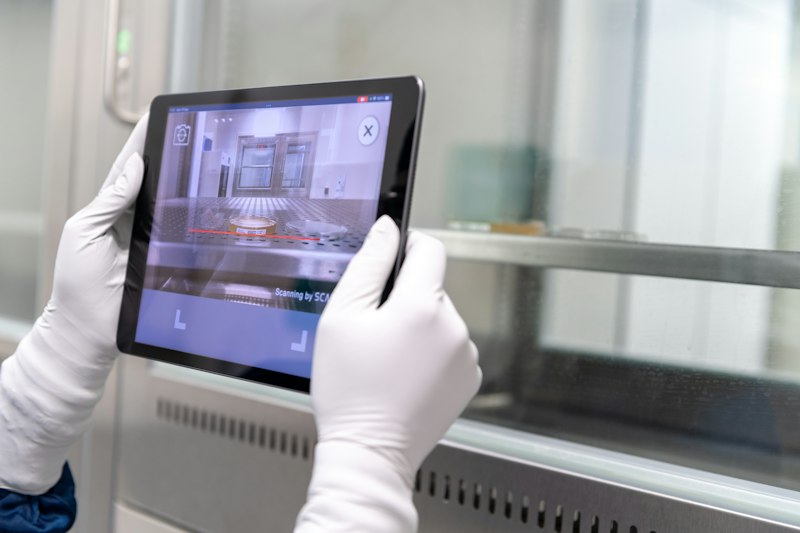

IT Services for Construction Companies in Dallas: Technology Solutions for the Jobsite
Construction is one of the last industries to fully embrace technologyâ€â€and that's costing Dallas contractors millions in inefficiency, delays, and rework. While other industries have spent decades optimizing operations with technology, the construction industry has been slower to adopt, leaving enormous opportunity for competitive advantage for companies willing to invest in the right IT solutions.
Dallas-Fort Worth is one of the hottest construction markets in the country. The DFW metroplex continues to see explosive growth in commercial, residential, and infrastructure construction, driven by corporate relocations, population growth, and massive public infrastructure investments. This growth means more projects, bigger projects, and fiercer competitionâ€â€making technology adoption not just an advantage but a necessity for survival.
This guide covers the specific IT needs of Dallas construction companies, from connecting remote jobsites to integrating project management platforms, and explains how the right technology partner can help you build faster, safer, and more profitably.
Why Construction Companies in Dallas Need Specialized IT Support
Construction isn't like a law firm or an accounting practice. Your technology challenges are unique, and generic IT support doesn't cut it. Here's why construction companies need IT partners who understand the industry:
Your Office Is Everywhere
Unlike most businesses that operate from a fixed location, construction companies operate across dozens of jobsites simultaneouslyâ€â€each with different connectivity challenges, security needs, and technology requirements. A project in downtown Dallas near the Arts District has very different connectivity options than a greenfield development in Prosper or a highway project along I-35. Your IT support must understand how to deliver reliable technology regardless of location.
Your Environment Destroys Equipment
Texas heat (100°F+ for months), dust, rain, vibration, and the general chaos of a construction site create one of the harshest environments for technology equipment. Standard consumer or even business-grade hardware doesn't survive long on a Dallas jobsite. You need ruggedized equipment, protective solutions, and a partner who understands what works in the field.
Your Workforce Is Mobile and Diverse
Construction workers range from tech-savvy project managers to experienced tradespeople who've been doing their jobs the same way for decades. Your technology solutions need to be intuitive enough for everyone while powerful enough to drive real efficiency. And your workforce is mobileâ€â€moving between jobsites, offices, and homes throughout the day.
Downtime Has Massive Consequences
When your project management system goes down, schedules slip. When your estimating software fails, you miss bid deadlines. When your accounting system crashes, subcontractors don't get paidâ€â€and they don't show up tomorrow. In construction, technology downtime translates directly to project delays, cost overruns, and strained relationships with clients and subs.
Compliance and Documentation Are Critical
Construction companies must maintain extensive documentationâ€â€safety records, inspection reports, change orders, RFIs, submittals, daily logs, and compliance documentation. Losing this data can result in legal liability, failed inspections, and project disputes. Your IT systems must protect this critical documentation throughout the project lifecycle and beyond.
Essential Technology Solutions for Dallas Construction Companies
Jobsite Connectivity
Reliable internet connectivity on the jobsite is the foundation of construction technology. Without it, nothing else worksâ€â€no cloud applications, no real-time collaboration, no digital plans, no mobile devices. Here are the connectivity options for Dallas construction sites:
Cellular/4G LTE/5G Solutions: The most common jobsite connectivity solution. Cellular routers from providers like Cradlepoint or Peplink deliver reliable internet using carrier networks. With T-Mobile and AT&T's 5G buildout across DFW, speeds of 100Mbps+ are achievable at many urban and suburban jobsites. For more remote locations, 4G LTE still provides adequate connectivity for most construction applications.
Starlink/Satellite: For jobsites in areas with poor cellular coverageâ€â€common for infrastructure projects outside the DFW coreâ€â€Starlink satellite internet provides a viable alternative. Speeds of 50-200Mbps with latency around 20-40ms make it suitable for most construction applications, including video conferencing and cloud-based project management.
Temporary Fiber: For long-duration projects (12+ months) in areas with fiber infrastructure, temporary fiber connections can provide the most reliable, highest-speed connectivity. This is most practical for large commercial projects in developed areas of Dallas, Plano, Frisco, and other established cities in the metroplex.
Mesh Wi-Fi for Jobsite Coverage: Once you have internet connectivity to the jobsite, you need to distribute it across the site. Industrial-grade mesh Wi-Fi systemsâ€â€from vendors like Ruckus or Merakiâ€â€can blanket even large jobsites with reliable wireless coverage. These systems are designed for outdoor deployment and can be relocated as the project progresses.
Project Management Platform Integration
Modern construction project management revolves around cloud-based platforms. Your IT provider should have deep expertise in the platforms your company uses:
Procore: The industry-leading construction management platform used by thousands of Dallas contractors. Procore handles project management, quality and safety, financial management, and workforce management. Proper IT support for Procore includes user management and permissions, mobile device configuration for field access, integration with accounting systems (QuickBooks, Sage, Vista), SSO (single sign-on) integration for security, backup and data protection strategies, and training and adoption support for field teams.
PlanGrid (Autodesk Build): Now part of Autodesk Construction Cloud, PlanGrid provides field-focused tools for document management, RFIs, punch lists, and plan markup. IT support for PlanGrid includes tablet and mobile device management, offline access configuration for areas with poor connectivity, integration with Autodesk design tools (AutoCAD, Revit, BIM 360), and storage management for large plan sets and photo documentation.
Bluebeam Revu: The industry standard for PDF markup and collaboration. IT support includes deployment and licensing management, Studio session management for real-time collaboration, custom tool sets and templates, and integration with document management systems.
Sage 300 CRE / Sage Intacct: Construction-specific accounting and ERP platforms used by many Dallas contractors. IT support includes server management (for on-premise installations), cloud migration and optimization, integration with project management platforms, and database maintenance and performance optimization.
Mobile Device Management for Field Teams
Your field teams need mobile devices that work reliably in construction environments. This requires a comprehensive mobile device management (MDM) strategy:
Device Selection: Not all tablets and phones are suitable for construction. Recommended devices for Dallas jobsites include Samsung Galaxy Tab Active series (IP68 rated, MIL-STD-810H certified), Apple iPad with ruggedized cases (OtterBox Defender, Griffin Survivor), Samsung Galaxy XCover series phones (ruggedized for field use), and Panasonic Toughbook tablets for extreme conditions.
MDM Deployment: A proper MDM solution (Microsoft Intune, VMware Workspace ONE, or Jamf for Apple devices) enables remote device configuration and deployment, application management (push Procore, PlanGrid, and other apps automatically), security enforcement (encryption, remote wipe, password policies), GPS tracking and geofencing, and separation of personal and work data on BYOD devices.
Rugged Accessories: Protective cases, screen protectors, vehicle mounts, charging stations, and bluetooth-connected peripherals designed for outdoor construction use.
Cloud Solutions for Construction
Cloud computing solves many of construction's traditional IT challengesâ€â€enabling access from anywhere, eliminating the need for on-site servers, and providing the storage capacity needed for massive plan files, photos, and documentation.
Microsoft 365 for Construction: Microsoft 365 provides the productivity and collaboration backbone for many construction companies. Key components include SharePoint for document management and project filing, Teams for communication between office and field, OneDrive for file sync across devices, Power BI for project dashboards and reporting, and Power Automate for workflow automation (safety incident reporting, change order approvals).
Construction-Specific Cloud Applications: Beyond general productivity, Dallas construction companies typically use cloud-based estimating tools (PlanSwift, STACK, On-Screen Takeoff), scheduling platforms (Primavera P6 Cloud, Microsoft Project Online), safety management (SafetyCulture, iAuditor), time tracking (BusyBusy, ExakTime, Rhumbix), and drone data processing (DroneDeploy, Pix4D).
Cybersecurity for Construction Companies
Construction companies have become prime targets for cybercriminals, and Dallas contractors are no exception. The combination of high-value wire transfers, busy workers who may click phishing links, and historically weak security practices makes construction an attractive target.
Business Email Compromise (BEC): The #1 cyber threat to construction companies. Attackers impersonate project managers, owners, or subcontractors to redirect wire transfersâ€â€often during the chaotic final stages of a project when large payments are flowing. Dallas construction companies have lost millions to BEC attacks. Prevention requires email security with anti-spoofing and anti-impersonation, multi-factor authentication on all email accounts, verification procedures for wire transfer requests (always verify by phone using a known number, never reply to the email), and security awareness training focused on BEC scenarios.
Ransomware: Construction companies store critical project dataâ€â€plans, schedules, contracts, financial recordsâ€â€that attackers know you can't afford to lose. Ransomware attacks can halt operations across all projects simultaneously. Protection requires endpoint detection and response (EDR) on all devices, reliable backup and disaster recovery with tested restore procedures, network segmentation to limit ransomware spread, and email security to block ransomware delivery.
Jobsite Device Security: Devices on jobsites face unique security challengesâ€â€they may be shared between workers, used on unsecured networks, or physically accessed by unauthorized individuals. Security measures include device encryption, remote wipe capability, biometric or PIN authentication, application-level security, and GPS tracking and geofencing.
VoIP and Communication Solutions
Construction companies need communication systems that work across offices and jobsites:
Cloud-Based Phone Systems: VoIP solutions (Microsoft Teams Phone, RingCentral, 8x8) replace traditional phone systems with cloud-based alternatives that work from any location. Field teams can make and receive calls on their company number from their mobile devices, maintaining professional communication without carrying separate phones.
Jobsite Communication: Two-way radio systems integrated with cellular networks (Motorola WAVE, ESChat) provide push-to-talk communication across large jobsites where cellular calls may be unreliable. Integration with smartphones means workers don't need to carry separate radio hardware.
Video Conferencing for Remote Inspections: High-quality video conferencing enables remote inspections, owner walkthroughs, and design coordination without requiring everyone to be on-site. This saves time and reduces travel costsâ€â€particularly valuable for Dallas contractors working across the sprawling DFW metroplex.
Industry-Specific IT Challenges in Dallas Construction
Managing Technology Across Multiple Jobsites
A typical Dallas general contractor might have 10-30 active jobsites simultaneously, each requiring connectivity, devices, and application access. Managing technology across this many locations requires standardized technology stacks that can be deployed quickly, centralized management tools that provide visibility across all sites, scalable solutions that can be right-sized for each project's needs, and efficient logistics for deploying and recovering equipment as projects start and finish.
Integrating Office and Field Systems
One of the biggest technology challenges in construction is bridging the gap between office systems (accounting, estimating, HR) and field systems (project management, time tracking, safety). Data often gets siloed, leading to duplicate entry, errors, and delays. Proper IT integration connects these systems so data flows seamlesslyâ€â€when a foreman logs time in the field, it flows automatically to payroll. When a change order is approved in Procore, it updates the budget in Sage.
Supporting a Transient Workforce
Construction workforces are highly transientâ€â€workers move between projects, subcontractors come and go, and seasonal fluctuations are common. IT systems must support rapid onboarding and offboarding of users, flexible licensing that doesn't lock you into per-seat minimums, secure access management that limits exposure when workers leave, and training systems that can quickly bring new users up to speed on your technology platforms.
Texas Heat and Equipment Survival
Dallas summers routinely exceed 100°F, and construction trailer interiors can reach 130°F+. Standard computing equipment isn't designed for these temperatures. Solutions include climate-controlled server and networking enclosures, ruggedized devices rated for extreme temperatures, cloud-based systems that minimize on-site hardware requirements, and proper ventilation and cooling for construction trailers housing technology equipment.
How Technology Improves Construction Outcomes
Reduced Rework
Rework costs the construction industry an estimated 5-9% of total project costs. Technologyâ€â€particularly BIM (Building Information Modeling), digital plans with real-time updates, and clash detectionâ€â€significantly reduces rework by catching issues before they reach the field. For a Dallas contractor building a $10 million project, even a 2% reduction in rework saves $200,000.
Improved Safety
Technology improves jobsite safety through digital safety management platforms that track inspections, incidents, and training. Wearable technology that monitors worker fatigue, heat exposure (critical in Dallas summers), and location. AI-powered camera systems that detect safety violations in real-time. Digital permitting and compliance tracking that ensures all certifications are current.
Faster Project Delivery
Connected jobsites with real-time data enable faster decision-making, quicker issue resolution, and better coordination among trades. Dallas contractors using integrated project management technology report 10-15% improvements in project delivery timelinesâ€â€a significant competitive advantage when bidding work.
Better Financial Management
Real-time financial visibilityâ€â€from field cost tracking to automated invoice processingâ€â€helps Dallas contractors maintain profitability on every project. Technology eliminates the lag between field activity and financial reporting, enabling proactive cost management rather than discovering problems weeks after they occur.
Choosing an IT Partner for Your Dallas Construction Company
Construction Industry Experience
Don't settle for a generic IT provider that treats your construction company like any other business. Look for an IT partner with proven experience serving construction companies, understanding of construction-specific software (Procore, Sage, Bluebeam, PlanGrid), experience with jobsite connectivity solutions, knowledge of construction compliance requirements, and familiarity with the unique challenges of managing IT across multiple, temporary jobsite locations.
Mobile and Field Expertise
Your IT partner must understand mobile technologyâ€â€device management, field deployment, ruggedized solutions, and cellular connectivity. If they only know how to manage office environments, they'll struggle with the realities of construction IT.
Scalability
Construction is cyclical. You need an IT partner that can scale services up during busy periods and back down during slow times without locking you into inflexible contracts.
Responsive Support
When a project superintendent can't access plans on their tablet, or a jobsite router goes down, you need fast support. Look for an IT provider with priority response times, mobile support capabilities, and the ability to dispatch on-site technicians when remote support isn't enough.
Frequently Asked Questions About Construction IT in Dallas
Q: How much do IT services cost for a construction company?
A: IT services for Dallas construction companies typically range from $150-$300 per user per month for comprehensive managed services, depending on the complexity of your environment and the number of jobsites. Construction companies often pay more than typical office businesses due to the additional complexity of jobsite connectivity, ruggedized devices, and specialized software support. A 50-person contractor might expect to invest $8,000-$15,000 per month in managed IT services.
Q: Can you support Procore and our other construction software?
A: Yes. K3 Technology has extensive experience supporting construction-specific software including Procore, PlanGrid (Autodesk Build), Bluebeam Revu, Sage 300 CRE, Sage Intacct, PlanSwift, Primavera P6, and other industry platforms. We handle deployment, integration, user management, mobile access configuration, and ongoing support for all major construction software platforms.
Q: How do you handle connectivity at remote jobsites?
A: We deploy a combination of cellular (4G LTE/5G) routers, Starlink satellite where needed, and mesh Wi-Fi to provide reliable connectivity at any Dallas-area jobsite. We carry inventory of pre-configured equipment that can be deployed within 24-48 hours when a new project starts. Our solutions include failover connectivity so your jobsite stays connected even if a primary connection goes down.
Q: What about security for our financial transactions?
A: Construction companies are heavily targeted by business email compromise (BEC) attacks aimed at redirecting wire transfers. We implement comprehensive email security, multi-factor authentication, and wire transfer verification procedures specifically designed for construction workflows. We also provide security awareness training focused on the specific threats construction companies face, including BEC scenarios, phishing, and ransomware.
Q: Do you provide on-site support at our jobsites?
A: Yes. While most issues can be resolved remotely, we provide on-site support for jobsite setup, equipment installation, connectivity deployment, and issues that require hands-on attention. We serve construction companies across the entire DFW metroplex and can dispatch technicians to any jobsite in the region.
Q: How do you handle IT for a new project startup?
A: We have a standardized project startup process for construction companies: pre-configure connectivity equipment and devices, deploy and test jobsite connectivity within 24-48 hours of trailer delivery, set up and test all construction software access, configure printers, scanners, and other jobsite peripherals, train site personnel on technology systems, and provide a documented support escalation path for the project team. This standardized approach means your project team has reliable technology from day oneâ€â€no waiting weeks for IT setup while the project is already underway.
Build smarter with technology that works as hard as your crew. Contact K3 Technology at (720) 740-1086 or schedule a free construction IT assessment. We'll evaluate your current technology, identify opportunities for improvement, and develop a technology plan that helps your Dallas construction company build faster, safer, and more profitably.
Follow K3 in Google
Make K3 Technology a preferred source
If our IT, cybersecurity, cloud, and AI resources are useful, add K3 as a Google preferred source so our guidance is easier to find in Search, AI Overviews, and AI Mode.
CEO/Founder
Kelly Kercher is the CEO and Founder of K3 Technology, helping businesses connect managed IT, cybersecurity, cloud, and AI strategy to practical business outcomes.
Related Services from K3 Technology
Need IT Help for Your Business?
K3 Technology provides comprehensive IT services for Denver and Dallas businesses. Let us help you implement the solutions discussed in this article.
Related Articles